
Description
Three heights, one footprint
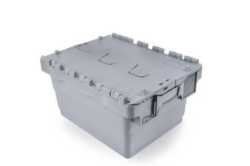
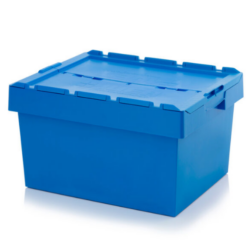
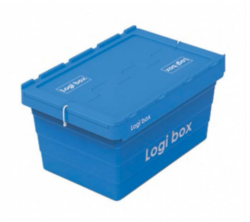
The BCMBD 4322, 4327 and 4332 share a footprint and differ in depth, so a single shelf or trolley layout can carry all three without changing the grid. That is the point of buying a family rather than individual bins: the plan area stays fixed and only the volume changes.
Choose shallower for dense or frequently handled parts, deeper for bulkier items. Mixing depths on one shelf run is normal and is usually the most efficient answer.
Beecraft supplies these from Wembley with no minimum order quantity. Ask for dimensions and pricing, or browse containers and crates.
Buying a family rather than a size
Small parts storage goes wrong in a predictable way: someone buys the size that suits today’s biggest item, and six months later half the bins are two-thirds empty because most parts are smaller than that.
Buying a family with one footprint and several depths avoids it. The shelf pitch, trolley layout and pallet pattern are set once by the footprint; the depth changes per part without touching any of that.
Reading nested dimensions
Bins in this family taper from top to bottom so they nest when empty. When you match a part to a bin, use the bottom inner dimensions. Using the top figure is the single most common reason a part that “should fit” does not.
Depth and handling weight
Deeper is not automatically better. A deep bin filled with dense parts reaches an unsafe manual lifting weight long before it looks full, and staff then either half-fill it — wasting the depth — or lift too much. Match depth to the density of what goes in, not to the space on the shelf.
Beecraft supplies these from Wembley with no minimum or maximum order quantity. Ask for the depths you need, or browse containers and crates.

Reviews
There are no reviews yet.