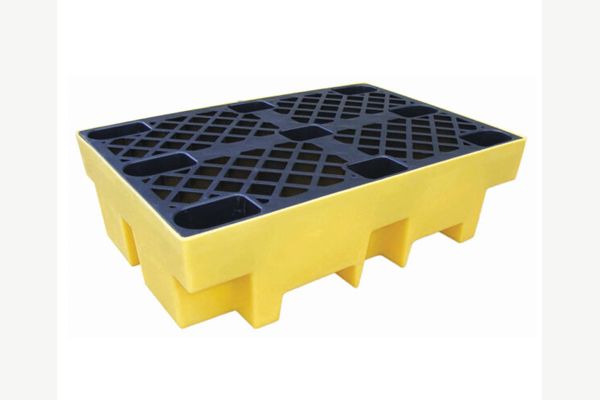
Good Manufacturing Practice (GMP) standards form the foundation of pharmaceutical quality assurance.
From raw material handling to finished product distribution, every stage of the supply chain must demonstrate effective controls designed to prevent contamination, maintain product integrity and protect patient safety.
While pharmaceutical businesses invest heavily in validated processes, environmental monitoring and staff training, one area often receives less attention than it deserves: pallet selection.
Pallets are used throughout pharmaceutical operations to transport, store and distribute products. If those pallets are difficult to clean, prone to damage or capable of harbouring contaminants, they can create avoidable compliance risks.
For manufacturers, contract packers, wholesalers and pharmaceutical distribution centres, hygienic plastic pallets have become an increasingly important part of GMP-focused operations.
What Does GMP Mean For Material Handling Equipment?
GMP regulations are designed to ensure pharmaceutical products are consistently produced and controlled according to quality standards.
Although GMP guidance does not specify that plastic pallets must be used, it does require businesses to manage contamination risks effectively.
This includes evaluating:
- Equipment suitability
- Storage conditions
- Cleaning procedures
- Material handling systems
- Environmental controls
Pallets fall within this wider quality framework.
If a pallet introduces contamination risks, generates debris or cannot be adequately cleaned, it may conflict with GMP objectives.
Why Traditional Pallets Can Create GMP Challenges
Many pharmaceutical facilities continue to use wooden pallets in certain areas of their operation.
While suitable for some industrial environments, wooden pallets can present several challenges where hygiene and contamination control are priorities.
Porous Construction
Wood naturally absorbs moisture.
This can lead to:
- Bacterial growth
- Mould development
- Fungal contamination
- Odour retention
These conditions are not ideal within pharmaceutical supply chains.
Surface Damage
Wooden pallets deteriorate over time.
Common issues include:
- Splintering
- Cracked boards
- Loose fixings
- Surface degradation
Each of these can introduce foreign particles into storage and handling areas.
Cleaning Limitations
Even with regular cleaning, contaminants can remain trapped within porous surfaces.
This makes it difficult to achieve consistent sanitation standards.
Why Hygienic Plastic Pallets Support GMP Objectives
Plastic pallets are designed to provide a cleaner, more controlled alternative.
For pharmaceutical environments, their characteristics align closely with contamination prevention strategies.
Non-Porous Surfaces
Unlike wood, plastic does not absorb moisture.
This reduces opportunities for microbial growth and helps maintain cleaner storage conditions.
Easy Cleaning And Sanitisation
Hygienic plastic pallets can be washed, sanitised and dried more effectively.
This helps facilities maintain documented cleaning procedures and support audit requirements.
Reduced Particle Generation
Plastic pallets do not produce:
- Wood dust
- Splinters
- Broken boards
This contributes to cleaner operational environments.
Consistent Design
High-quality moulded plastic pallets offer uniform construction and predictable performance.
Consistency is particularly valuable in regulated industries where standardisation supports compliance.
Key GMP Areas Where Pallet Selection Matters
Raw Material Storage
Active ingredients, excipients and packaging components often spend significant periods in warehouse storage.
Using hygienic pallets helps minimise contamination risks during this stage.
Production Support Areas
Although pallets may not enter critical
zones, they frequently support adjacent operations.
Maintaining hygiene standards throughout the wider facility is essential.
Packaging Operations
Packaging areas require strict control of foreign materials.
Plastic pallets reduce the risk of introducing debris and contaminants into packaging processes.
Finished Product Warehousing
Products awaiting distribution must remain protected from environmental contamination.
Hygienic pallets support cleaner storage conditions throughout this stage.
Pharmaceutical Distribution
Finished medicines often travel through multiple handling points before reaching healthcare providers.
Durable plastic pallets help maintain product protection across the distribution network.
Features To Look For In GMP-Friendly Plastic Pallets
Not all pallets are designed for pharmaceutical applications.
When selecting pallets, consider the following features.
Smooth Closed Surfaces
Closed deck designs minimise dirt accumulation and improve cleanability.
Moisture Resistance
Pallets should resist water absorption and support wash-down procedures.
Durable Construction
Long service life reduces damage-related contamination risks.
Chemical Resistance
Pharmaceutical facilities often use cleaning agents and disinfectants.
Pallets should withstand regular sanitation procedures without degrading.
Consistent Dimensions
Uniform pallets improve storage efficiency and operational consistency.
Common GMP Audit Questions Related To Pallets
Quality assurance teams are increasingly reviewing pallet management procedures during audits.
Questions may include:
- How are pallets cleaned?
- How often are pallets inspected?
- Are damaged pallets removed from service?
- What contamination controls are in place?
- Are pallets suitable for the products being stored?
Businesses with documented pallet management programmes are often better positioned during inspections.
A Practical Pharmaceutical Pallet Compliance Checklist
Review your current pallet fleet against the following questions:
✓ Can pallets be effectively sanitised?
✓ Do pallets absorb moisture?
✓ Are pallets free from splinters and loose components?
✓ Is there a documented inspection process?
✓ Are damaged pallets removed promptly?
✓ Are pallets suitable for regulated environments?
✓ Can pallets support long-term hygiene objectives?
If several answers are “no”, it may be time to review your pallet strategy.
The Business Benefits Beyond Compliance
Many pharmaceutical companies initially switch to plastic pallets to improve hygiene standards.
However, operational benefits often extend beyond compliance.
Businesses frequently report improvements in:
- Warehouse cleanliness
- Product protection
- Handling efficiency
- Pallet lifespan
- Workplace safety
- Supply chain consistency
When evaluated across the pallet lifecycle, plastic pallets often deliver measurable long-term value.
Why Pharmaceutical Businesses Choose Beecraft UK
Beecraft UK supplies plastic pallet solutions designed for demanding industrial environments.
Our pharmaceutical pallet range supports businesses seeking:
- Improved hygiene standards
- Long-term durability
- Reliable handling performance
- Contamination risk reduction
- Efficient warehouse operations
With decades of experience supplying plastic pallets across regulated industries, we help businesses identify solutions aligned with their operational and compliance requirements.
Frequently Asked Questions
What is a GMP compliant pallet?
A GMP compliant pallet is a pallet suitable for pharmaceutical and regulated environments where contamination control, hygiene and cleanability are essential.
Why are plastic pallets preferred in pharmaceutical facilities?
Plastic pallets offer non-porous surfaces, easier cleaning and reduced contamination risks compared with traditional wooden pallets.
Can plastic pallets be sanitised?
Yes. Hygienic plastic pallets can be washed and sanitised using standard cleaning procedures.
Are plastic pallets suitable for cleanroom support areas?
Many pharmaceutical businesses use hygienic plastic pallets in cleanroom support environments due to their cleanability and contamination control benefits.
How long do pharmaceutical plastic pallets last?
High-quality plastic pallets can provide many years of service depending on usage conditions and load requirements.
Reviewing Your Pallet Strategy
GMP compliance is built on risk management and continuous improvement.
While pallets may seem like a minor part of the operation, they play an important role in maintaining hygiene standards throughout pharmaceutical supply chains.
If your facility is reviewing contamination controls, warehouse procedures or audit readiness, pallet suitability should form part of that assessment.
Beecraft UK supplies hygienic plastic pallet solutions designed to support pharmaceutical manufacturing, storage and distribution operations across the UK. Speak with our team to discuss the most suitable pallet system for your requirements.