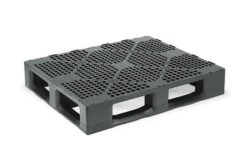
Walk through almost any food manufacturing facility and you’ll notice one thing immediately – every process is designed to reduce contamination. Production lines are sanitised, employees wear protective clothing, and equipment is cleaned throughout the day. Yet one piece of equipment is often overlooked: the pallet.
Many food businesses continue using wooden pallets because they’re familiar and inexpensive. Unfortunately, they can also become a source of contamination, product damage and unnecessary operational costs. That’s why more manufacturers are comparing plastic vs wooden pallets in food production before investing in new handling equipment.
If you’re reviewing your warehouse or production processes, Plastic Pallets UK can help you choose hygienic pallet solutions that improve food safety, increase efficiency and support long-term compliance.
Why Are Food Manufacturers Moving Away from Wooden Pallets?
Wooden pallets have been used in the food industry for decades, but today’s manufacturing environment is very different.
Food businesses must now satisfy strict customer audits, retailer requirements and food safety standards. A pallet that absorbs moisture, splinters during handling or attracts pests can create unnecessary risks throughout the supply chain.
Imagine a dairy manufacturer preparing products for dispatch. During a routine audit, inspectors discover damaged timber pallets with cracked boards and signs of moisture. Although the products themselves remain unaffected, the warehouse receives corrective actions because contaminated handling equipment increases food safety risks.
Situations like this explain why many manufacturers are investing in reusable plastic pallets.
Hygiene Makes the Biggest Difference
The most significant advantage of plastic pallets is hygiene.
Unlike timber, plastic has a smooth, non-porous surface that does not absorb water or trap bacteria inside cracks. This makes cleaning faster and more effective between production cycles.
Wooden pallets naturally deteriorate through daily use. Small cracks, splinters and damaged boards create areas where dirt, moisture and contaminants can accumulate, making thorough cleaning far more difficult.
The BRCGS Global Food Safety Standard requires equipment and infrastructure to be designed and maintained to minimise contamination risks. While it does not specify plastic pallets, hygienic equipment supports compliance with these expectations.
Which Material Performs Better in Food Production?
Both pallet types can move products safely, but their long-term performance is very different.
Wooden pallets remain suitable for certain industries, particularly where hygiene is less critical.
Plastic pallets, however, offer greater consistency in demanding food environments because they resist chemicals, moisture and repeated washing.
The biggest operational differences include:
- Plastic pallets resist moisture, mould and pest infestation.
- Wooden pallets can splinter, crack and require frequent repairs.
- Plastic pallets maintain consistent dimensions for automated handling.
These advantages become increasingly important in facilities operating multiple shifts or automated warehouse systems.
What About Cold Storage and Freezer Operations?
Cold storage presents another challenge for traditional timber pallets.
Repeated exposure to moisture and freezing temperatures can weaken wood over time. Damp pallets may also contribute to mould growth if not stored correctly.
Plastic pallets are designed to withstand refrigerated and frozen environments without absorbing water or losing structural strength.
For businesses handling frozen foods, seafood, meat or dairy products, this reliability improves both warehouse efficiency and product protection.
Are Plastic Pallets More Expensive?
The initial purchase price is higher, which is why many procurement teams hesitate before making the switch.
However, experienced manufacturers rarely evaluate pallets based only on purchase cost.
Instead, they consider the overall operational impact.
A pallet that lasts for many years, reduces product damage and requires little maintenance often delivers greater value than a cheaper pallet needing constant replacement.
Businesses also save money through reduced downtime, fewer damaged goods and lower maintenance costs.
According to WRAP (Waste & Resources Action Programme), reusable transport packaging can significantly reduce waste and improve resource efficiency across supply chains when managed effectively.
Choosing the Right Plastic Pallet for Food Production
Not every food manufacturer has the same handling requirements.
A bakery supplying supermarkets has different needs from a pharmaceutical packaging company or a frozen food distributor.
At Plastic Pallets UK, we supply pallet solutions designed for a wide range of food production environments, including:
- Hygienic Plastic Pallets for food processing, beverage production and pharmaceutical facilities.
- Heavy Duty Plastic Pallets for high-load manufacturing operations.
- Rackable Plastic Pallets for warehouses using pallet racking systems.
- Nestable Plastic Pallets where storage space is limited.
- Export Plastic Pallets for businesses shipping products internationally without ISPM 15 concerns.
- Plastic Pallet Boxes and Plastic Crates for handling ingredients, components and finished goods.
- Returnable Packaging Solutions that improve efficiency within closed-loop supply chains.
Selecting the correct pallet depends on load capacity, warehouse layout, automation, hygiene requirements and transport methods rather than simply choosing the cheapest option.
Plastic Pallets Support More Sustainable Operations
Many businesses assume wooden pallets are automatically the more sustainable choice.
In reality, reusable plastic pallets often remain in service for many years and many are manufactured using recycled plastic. At the end of their lifespan, they can also be recycled into new industrial products.
Because they require fewer replacements than damaged timber pallets, they can help reduce waste and support long-term sustainability objectives.
Which Pallet Is the Better Investment?
For businesses where hygiene, durability and operational efficiency are priorities, plastic pallets consistently outperform traditional timber alternatives.
Food manufacturers are no longer choosing plastic pallets simply because they last longer. They are investing in equipment that helps reduce contamination risks, improve warehouse efficiency, support customer audits and lower long-term operating costs.
Whether you’re upgrading an existing warehouse or planning a new production facility, Plastic Pallets UK offers a comprehensive range of hygienic pallet systems tailored to the food industry. Speak with our team today to receive expert recommendations and a competitive quotation for the right plastic pallet solution for your operation.
Frequently Asked Questions?
Are plastic pallets more hygienic than wooden pallets?
Yes. Plastic pallets have non-porous surfaces that are easier to clean and do not absorb moisture, making them better suited to hygienic food environments.
Why do food manufacturers use plastic pallets?
Food manufacturers use plastic pallets because they reduce contamination risks, support cleaning procedures, perform well in cold storage and require less maintenance than timber pallets.
Can wooden pallets contaminate food products?
Damaged or poorly maintained wooden pallets can harbour moisture, mould, pests and wood splinters, increasing contamination risks within food production facilities.
Are plastic pallets suitable for HACCP environments?
Yes. While HACCP does not specify pallet materials, hygienic plastic pallets help businesses control contamination risks and support food safety management systems.
Which plastic pallet is best for the food industry?
The best pallet depends on the application. Hygienic, closed-deck plastic pallets are commonly used in food manufacturing, while heavy-duty, rackable and export pallets are selected according to storage and transport requirements.