A single contamination incident can have serious consequences for a food business. It can lead to rejected deliveries, failed audits, product recalls, financial losses and long-term damage to customer trust. While many companies focus on production processes, contamination often begins much earlier—in the warehouse.
Storage areas are constantly receiving, moving and dispatching products. Every pallet, container, forklift and handling process creates an opportunity for contamination if the correct controls are not in place. Preventing these risks requires more than routine cleaning; it demands the right equipment, warehouse design and handling practices.
If you’re reviewing your warehouse operations, Plastic Pallets UK can help you create a cleaner, safer and more efficient food handling environment with hygienic plastic pallet solutions designed for the food industry.
Where Does Contamination in Food Warehouses Come From?
Contamination rarely occurs because of one major failure. More often, it develops through a series of small issues that go unnoticed.
Imagine a warehouse receiving chilled dairy products. Wooden pallets stored outside overnight are brought directly into the storage area after heavy rainfall. The pallets carry moisture, dirt and damaged timber into an otherwise clean environment. Forklifts move those pallets through different storage zones, increasing the risk of cross-contamination before products even reach dispatch.
This type of scenario highlights why warehouse equipment plays such an important role in food safety.
According to the Food Standards Agency (FSA), effective hygiene controls throughout storage and handling are essential for preventing contamination and protecting food safety.
Why Are Wooden Pallets a Hygiene Risk?
Wooden pallets remain common across many industries, but they present several challenges in food environments.
Wood naturally absorbs moisture, develops cracks over time and can produce splinters during repeated handling. These damaged areas become difficult to clean thoroughly and may harbour bacteria, mould or pests.
Plastic pallets offer a more hygienic alternative because they have smooth, non-porous surfaces that resist water absorption and are easier to sanitise.
This is one of the reasons many food manufacturers, processors and distributors have replaced timber pallets with hygienic plastic handling systems.
Warehouse Hygiene Starts with the Right Handling Equipment
Even the best cleaning programme cannot compensate for unsuitable equipment.
Food warehouses should use handling products designed specifically for hygienic environments. This includes pallets, storage containers and reusable transport packaging that can be cleaned effectively between uses.
At Plastic Pallets UK, businesses can choose from a wide range of products developed for food handling operations, including hygienic plastic pallets, heavy-duty pallets, nestable pallets, rackable pallets, plastic pallet boxes, plastic crates and returnable packaging systems.
Using equipment designed for food environments helps reduce contamination risks while improving operational efficiency throughout the warehouse.
How Plastic Pallets Help Prevent Cross-Contamination?
Cross-contamination is one of the biggest concerns in food storage.
When contaminated equipment moves between warehouse zones, bacteria, allergens or foreign materials can spread quickly.
Plastic pallets help minimise this risk because they:
- Are easy to wash and sanitise.
- Do not absorb liquids or cleaning chemicals.
- Resist mould, pests and bacterial growth.
Many businesses also introduce colour-coded plastic pallets to separate allergens, raw materials and finished products, making warehouse operations easier to manage during inspections and audits.
Good Warehouse Practices Matter Just as Much
Choosing hygienic pallets is only one part of contamination control.
Food warehouses should also review daily operating procedures to ensure contamination risks remain low.
Key practices include:
- Separating raw and finished products.
- Cleaning storage equipment regularly.
- Inspecting pallets before use.
- Maintaining effective pest control.
- Training warehouse staff on hygiene procedures.
When combined with hygienic plastic handling equipment, these simple practices significantly reduce contamination risks.
Supporting HACCP and BRCGS Compliance
Many warehouse managers ask whether plastic pallets are legally required.
The answer is no.
However, recognised food safety systems such as HACCP and the BRCGS Global Food Safety Standard require businesses to identify hazards and implement practical controls that reduce contamination throughout storage and distribution.
Using hygienic equipment supports these objectives by making cleaning easier and reducing potential contamination sources.
This is particularly important for businesses supplying supermarkets, food service providers and international retailers, where audit expectations continue to increase.
Choosing the Right Plastic Pallet for Food Warehousing
Every warehouse operates differently, so selecting the correct pallet should be based on operational requirements rather than price alone.
Businesses storing heavy products on racking systems often benefit from Rackable Plastic Pallets, while manufacturers requiring maximum hygiene typically choose Hygienic Plastic Pallets with closed-deck designs.
Companies exporting food products may prefer Export Plastic Pallets, which are exempt from ISPM 15 regulations and simplify international shipping.
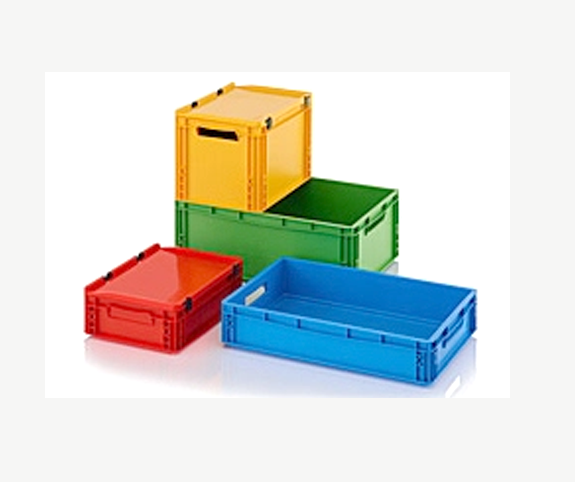
Where bulk ingredients or loose products are handled, Plastic Pallet Boxes and Plastic Crates provide durable, reusable storage solutions that improve both hygiene and handling efficiency.
For businesses operating temperature-controlled environments, Freezer Spacers help improve airflow around palletised products, supporting consistent cooling performance.
Selecting the right combination of handling equipment creates a safer and more efficient warehouse while reducing long-term operating costs.
Building a Safer Food Warehouse for the Future
Food safety expectations continue to rise across every part of the supply chain. Customers, retailers and auditors expect warehouses to demonstrate effective contamination controls, reliable hygiene procedures and well-maintained handling equipment.
Replacing damaged timber pallets with hygienic plastic alternatives is one practical improvement that delivers immediate operational benefits while supporting long-term compliance.
At Plastic Pallets UK, we work with food manufacturers, processors, cold storage facilities and distribution centres to supply pallet systems that improve hygiene, protect products and streamline warehouse operations.
Whether you’re upgrading an existing warehouse or fitting out a new food distribution facility, contact Plastic Pallets UK today for expert guidance and a tailored quotation on hygienic plastic pallet solutions that keep your supply chain moving safely.
Frequently Asked Questions?
How can contamination be prevented in a food warehouse?
Contamination can be reduced by maintaining good hygiene practices, using food-safe handling equipment, separating raw and finished products, implementing pest control and regularly cleaning storage areas.
Why are plastic pallets better for food warehouses?
Plastic pallets are non-porous, easy to clean, resistant to moisture and less likely to harbour bacteria, mould or pests than wooden pallets.
Are plastic pallets HACCP compliant?
HACCP does not certify pallets, but hygienic plastic pallets help businesses support HACCP principles by reducing contamination risks and improving cleaning procedures.
What is the best pallet for food storage?
Closed-deck hygienic plastic pallets are widely considered the best option because they are durable, easy to sanitise and suitable for demanding food environments.
What products does Plastic Pallets UK supply for food warehouses?
Plastic Pallets UK supplies Hygienic Plastic Pallets, Heavy Duty Plastic Pallets, Rackable and Nestable Pallets, Export Pallets, Plastic Pallet Boxes, Plastic Crates, Returnable Packaging and Freezer Spacers for food manufacturing, storage and distribution.