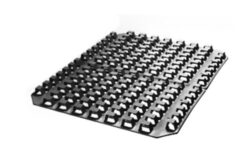
A failed food safety audit isn’t always caused by poor cleaning practices or faulty equipment. Sometimes, the problem is much simpler – the pallets being used throughout the warehouse. Cracked timber, loose nails, absorbed moisture and hidden bacteria can all increase contamination risks, potentially leading to rejected deliveries, damaged products and costly compliance issues.
That’s why more food manufacturers, processors and distributors are replacing traditional wooden pallets with hygienic plastic alternatives. If you’re reviewing your handling equipment, Plastic Pallets UK can help you choose food-safe pallet solutions designed to improve hygiene, increase operational efficiency and support food industry compliance.
Why Are Wooden Pallets Becoming a Problem for Food Businesses?
Wooden pallets have been used for decades, but modern food production places far greater emphasis on hygiene, traceability and contamination control than ever before.
Over time, timber pallets can:
- Absorb moisture
- Develop mould
- Produce wood splinters
- Hide bacteria in cracks
- Attract insects and pests
- Break during handling
Imagine a chilled food warehouse preparing products for supermarket distribution. During a routine quality inspection, several wooden pallets are found with damaged boards and visible moisture after being stored outside overnight. Those pallets must be removed immediately, delaying dispatch and increasing operational costs.Situations like this are one reason many food manufacturers are investing in hygienic plastic pallets instead.
What Makes a Pallet Food Safe?
A food-safe pallet is specifically designed to minimise contamination throughout food production, storage and transportation.Unlike timber, plastic pallets have smooth, non-porous surfaces that do not absorb liquids or trap contaminants. Most are manufactured from High-Density Polyethylene (HDPE) or Polypropylene (PP), both recognised for their durability and resistance to chemicals used during industrial cleaning.
Many food-grade pallets also feature closed-deck designs, making them easier to wash and sanitise between production cycles.This combination helps businesses maintain cleaner warehouse environments while reducing hygiene risks.
How Do Food Safe Pallets Help Meet HACCP and BRCGS Standards?
Many businesses ask whether plastic pallets are legally required.
The answer is no.
However, food safety systems such as HACCP (Hazard Analysis and Critical Control Points) and the BRCGS Global Food Safety Standard require businesses to identify and control contamination risks throughout their operations.Using hygienic plastic pallets supports these objectives by reducing potential contamination sources and simplifying cleaning procedures.The British Retail Consortium Global Standard also emphasises that equipment should be designed for effective cleaning and maintenance, making hygienic pallet selection an important operational decision.
Food Grade Plastic vs Standard Plastic Pallets
Not every plastic pallet is suitable for food environments.
Food-grade plastic pallets are manufactured using materials suitable for hygienic applications and designed for repeated washing.
When selecting pallets, consider:
- HDPE or food-grade polypropylene construction
- Closed-deck hygienic design
- Chemical resistance
- Easy cleaning
- Moisture resistance
- Consistent dimensions for automated handling
Choosing the correct specification helps protect both products and production processes.
Are Plastic Pallets Better for Cold Storage?
Yes.
Cold stores and freezer facilities expose pallets to constant moisture and low temperatures.
Wooden pallets absorb water, which can encourage mould growth and weaken the pallet over time.
Plastic pallets remain stable in chilled and frozen environments while maintaining their strength and hygienic properties.
For businesses handling dairy, seafood, meat, frozen meals or fresh produce, this provides a significant operational advantage.
Do Plastic Pallets Reduce Long-Term Costs?
One of the biggest objections businesses raise is cost.
Plastic pallets usually require a higher initial investment than timber pallets.
However, focusing only on purchase price ignores the total cost of ownership.
Plastic pallets typically last much longer, require fewer repairs and reduce the likelihood of product damage caused by broken boards or loose nails.
Many food manufacturers also benefit from:
- Lower pallet replacement costs
- Faster warehouse cleaning
- Reduced contamination risks
- Better compatibility with automated storage systems
- Improved workplace safety
Over several years, these operational savings often outweigh the initial purchase cost.
Common Mistakes Businesses Make When Buying Food Safe Pallets
Many organisations purchase pallets based solely on price.
This often leads to problems later.
Before investing, consider:
- Static, dynamic and racking load capacity
- Open or closed deck design
- Automation compatibility
- Cold storage performance
- Cleaning requirements
- Export shipping needs
- Colour coding for allergen control
- Virgin or recycled material specification
Selecting the wrong pallet can reduce efficiency and increase long-term costs.
Why Plastic Pallets Are Preferred for Export?
Food exporters also benefit from another important advantage.
Unlike timber pallets, plastic export pallets are exempt from ISPM 15 heat-treatment regulations, helping simplify international shipping while maintaining hygienic handling standards.
This makes them particularly popular with manufacturers exporting food products across Europe and beyond.
Why Are More Food Manufacturers Choosing Plastic Pallets UK?
Food safety is no longer just about passing audits. It’s about protecting products, maintaining customer confidence and keeping supply chains running efficiently.
At Plastic Pallets UK, businesses can choose from a wide range of hygienic plastic pallets designed for food manufacturing, processing, warehousing and distribution. Whether you require lightweight export pallets or heavy-duty hygienic solutions for automated facilities, selecting the right pallet can improve hygiene while reducing long-term operational costs.
Request a tailored quotation from Plastic Pallets UK today and let our specialists recommend the most suitable food-safe pallet solution for your warehouse, production facility or distribution centre.
Frequently Asked Questions?
Are plastic pallets more hygienic than wooden pallets?
Yes. Plastic pallets do not absorb moisture, are easier to clean and are less likely to harbour bacteria, mould or pests than wooden pallets.
What are food-grade plastic pallets made from?
Most food-grade plastic pallets are manufactured from High-Density Polyethylene (HDPE) or Polypropylene (PP), both known for their durability and hygienic properties.
Do food manufacturers need HACCP-approved pallets?
HACCP does not approve specific pallets, but hygienic plastic pallets help businesses meet HACCP principles by reducing contamination risks.
Are plastic pallets suitable for freezer storage?
Yes. Plastic pallets perform reliably in chilled and frozen environments without absorbing moisture or losing structural integrity.
Which pallet is best for food manufacturing?
For most food manufacturing environments, hygienic closed-deck plastic pallets provide the best combination of cleanliness, durability, easy maintenance and long-term value.