In pharmaceutical manufacturing and distribution, contamination control is not simply a quality objective. It is a regulatory requirement.
Most pharmaceutical businesses invest heavily in cleanroom procedures, controlled environments, employee hygiene protocols and validated storage systems. Yet one critical component is often overlooked during contamination risk assessments: the pallet.
Pallets move raw materials, packaging components, finished medicines and medical products throughout the supply chain. If those pallets harbour bacteria, shed particles or introduce foreign contaminants, they can compromise product integrity, increase compliance risks and create operational challenges during audits.
For pharmaceutical manufacturers, contract packaging facilities, distribution centres and healthcare supply chains, pallet selection plays a far greater role in contamination prevention than many businesses realise.
Why Pallets Matter In Pharmaceutical Environments
Every item within a pharmaceutical facility has the potential to become a contamination source.
While machinery, work surfaces and storage equipment are routinely monitored, pallets frequently move between different areas of the operation. They come into contact with floors, vehicles, warehouse racking systems and external environments.
When pallets are not designed for hygienic applications, they can introduce:
- Dust accumulation
- Moisture retention
- Bacterial growth
- Mould contamination
- Wood splinters
- Packaging debris
- Foreign particles
- Chemical contamination
These risks can affect raw material storage, finished product distribution and packaging operations.
For businesses operating under Good Manufacturing Practice (GMP) standards, contamination prevention must extend across every material handling process.
The Hidden Problems With Traditional Wooden Pallets
Many pharmaceutical businesses continue using wooden pallets because they are familiar and widely available.
The problem is that wood is naturally porous.
Unlike plastic, wooden pallets absorb moisture, chemicals and contaminants over time. Repeated use can create conditions where contaminants become trapped within the pallet structure.
Common risks associated with wooden pallets include:
Moisture Absorption
Wood can absorb water from warehouse floors, transportation environments and cleaning processes.
Moisture creates ideal conditions for:
- Mould growth
- Bacterial development
- Fungal contamination
These issues become particularly problematic when pharmaceutical products are stored for extended periods.
Splintering And Debris
Wooden pallets deteriorate with repeated use.
As pallets age, they can produce:
- Wood splinters
- Loose nails
- Broken boards
- Dust particles
These contaminants can enter storage areas and packaging environments, increasing quality control concerns.
Difficult Cleaning Procedures
Wood cannot be effectively sanitised to the same standard as plastic.
Even after cleaning, contaminants may remain trapped within the pallet material itself.
This creates challenges for facilities operating under strict hygiene requirements.
Pharmaceutical Compliance And Pallet Hygiene
Pharmaceutical facilities must demonstrate effective contamination control measures throughout their operations.
Auditors commonly review:
- Storage procedures
- Material handling practices
- Cleaning protocols
- Environmental controls
- Equipment suitability
Pallets form part of this assessment.
If pallets are damaged, difficult to clean or capable of introducing contamination, they may become a point of concern during inspections.
Facilities working under GMP frameworks must continually assess potential contamination risks and implement suitable controls.
Choosing hygienic pallet systems can help support these objectives.
How Plastic Pallets Reduce Contamination Risks
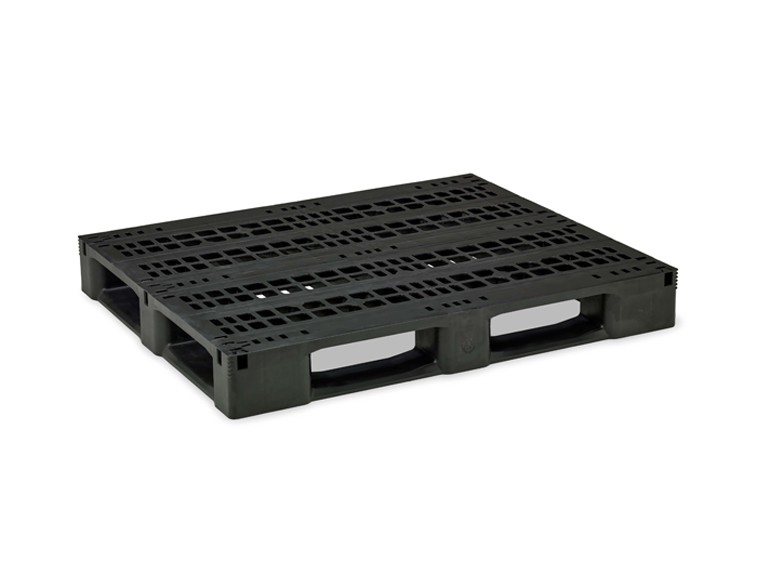
Plastic pallets are increasingly becoming the preferred solution across pharmaceutical manufacturing and healthcare supply chains.
Unlike wood, plastic offers a non-porous surface that helps prevent contamination build-up and supports effective cleaning procedures.
Smooth Hygienic Surfaces
Plastic pallets feature smooth surfaces that do not absorb liquids.
This allows pharmaceutical facilities to:
- Wash pallets effectively
- Sanitise surfaces more thoroughly
- Reduce contamination retention
- Improve hygiene management
No Splinters Or Loose Components
High-quality plastic pallets eliminate many common issues associated with wooden alternatives.
There are no:
- Splinters
- Rusting nails
- Broken boards
- Wood dust particles
This helps create cleaner storage and handling environments.
Resistance To Moisture
Plastic pallets do not absorb water.
This significantly reduces the likelihood of:
- Mould formation
- Fungal growth
- Moisture-related contamination
For pharmaceutical businesses managing temperature-controlled or high-humidity environments, this can be particularly beneficial.
Consistent Performance
Plastic pallets maintain their structural integrity for longer periods.
Consistent pallet performance helps reduce:
- Product damage
- Operational disruptions
- Safety hazards
- Unexpected pallet failures
Areas Of Pharmaceutical Operations Most At Risk
Contamination risks associated with unsuitable pallets often occur in the following environments.
Raw Material Storage
Incoming ingredients and pharmaceutical compounds require secure storage before production.
Contaminated pallets can introduce unwanted particles into storage environments.
Cleanroom Support Areas
While pallets are not always used directly within cleanrooms, they frequently support adjacent logistics and storage operations.
Poor pallet hygiene can undermine contamination control strategies.
Packaging Facilities
Packaging materials must remain free from contaminants.
Damaged or deteriorating pallets can introduce dust, debris and foreign materials into packaging zones.
Pharmaceutical Distribution Centres
Finished pharmaceutical products often remain on pallets throughout storage and transportation.
Using hygienic pallets helps maintain product protection across the supply chain.
Five Signs Your Current Pallets May Be Creating Risks
Warehouse managers and quality assurance teams should review pallet performance regularly.
Warning signs include:
1. Visible Damage
Cracks, broken boards, splinters and structural wear increase contamination risks.
2. Difficult Cleaning
If pallets cannot be effectively washed and sanitised, contamination control becomes more challenging.
3. Moisture Retention
Pallets that remain damp after cleaning can encourage microbial growth.
4. Frequent Audit Concerns
Recurring observations relating to storage or hygiene practices may indicate pallet suitability issues.
5. Product Quality Incidents
If contamination investigations repeatedly identify storage or handling environments as contributing factors, pallet selection should be reviewed.
The Long-Term Cost Of Ignoring Pallet Hygiene
Many businesses evaluate pallets based solely on purchase price.
However, contamination-related costs can quickly exceed any perceived savings.
Potential consequences include:
- Product recalls
- Regulatory investigations
- Customer complaints
- Product disposal costs
- Production downtime
- Audit findings
- Brand reputation damage
Investing in hygienic material handling equipment often delivers operational benefits far beyond pallet replacement costs.
Why Pharmaceutical Businesses Are Switching To Hygienic Plastic Pallets
Across the UK pharmaceutical sector, manufacturers and distributors are increasingly replacing traditional wooden pallets with hygienic plastic alternatives.
The reasons are straightforward:
- Improved cleanliness
- Easier sanitisation
- Reduced contamination risks
- Longer service life
- Better regulatory support
- Improved warehouse efficiency
For facilities focused on quality assurance and compliance, plastic pallets provide a practical solution that aligns with modern pharmaceutical standards.
How Beecraft Supports Pharmaceutical Supply Chains
At Beecraft UK, we supply plastic pallet solutions designed for demanding pharmaceutical environments.
Our range includes:
- Hygienic plastic pallets
- Heavy-duty plastic pallets
- Rackable plastic pallets
- Export pallets
- Bespoke pharmaceutical handling solutions
With decades of experience supporting UK manufacturers, warehouses and logistics operations, we help businesses select pallet systems that improve hygiene, durability and operational performance.
If your organisation is reviewing contamination control procedures, pallet selection should be part of that conversation.
Frequently Asked Questions
Are plastic pallets suitable for pharmaceutical environments?
Yes. Plastic pallets are widely used throughout pharmaceutical manufacturing, storage and distribution due to their hygienic, non-porous construction.
Can plastic pallets help support GMP compliance?
Plastic pallets can support GMP objectives by reducing contamination risks and improving cleaning procedures within material handling operations.
Are hygienic plastic pallets washable?
Yes. Hygienic plastic pallets can be cleaned and sanitised far more effectively than traditional wooden pallets.
How long do pharmaceutical plastic pallets last?
Depending on application and load requirements, high-quality plastic pallets can remain in service for many years.
Do pharmaceutical companies use wooden pallets?
Some still do, particularly in lower-risk areas. However, many pharmaceutical businesses are transitioning towards hygienic plastic pallets to improve contamination control.
Protect Product Integrity With The Right Pallet System
Contamination prevention requires attention to every component within the pharmaceutical supply chain.
If your current pallets are difficult to clean, showing signs of deterioration or creating hygiene concerns, it may be time to evaluate a more suitable alternative.
Beecraft UK supplies hygienic plastic pallet solutions designed to support pharmaceutical manufacturing, storage and distribution operations across the UK. Contact our team to discuss the most appropriate pallet solution for your facility.