International shipping leaves very little room for error. Exporters must manage tight delivery schedules, customs requirements, product protection and rising logistics costs, all while ensuring shipments arrive safely at their destination. Although pallets are often overlooked, the type of pallet used can influence both shipping efficiency and operational reliability.
For this reason, many exporters are replacing traditional wooden pallets with plastic alternatives that simplify international shipping and provide consistent performance across global supply chains.
What Do Exporters Need From Their Pallets?
Every export shipment places different demands on a pallet. Whether products are travelling across Europe or overseas, exporters need pallets that can withstand repeated handling while helping goods reach their destination safely.
The most important requirements include:
• Reliable Product Protection
Export pallets must provide stable support throughout loading, transportation and unloading to reduce the risk of damaged goods.
• Consistent Performance
Pallets should perform reliably regardless of how many times they are moved by forklifts, stored in warehouses or transferred between transport modes.
• International Compliance
Using pallets that simplify export requirements helps businesses avoid unnecessary delays and keep shipments moving efficiently.
• Long-Term Value
For exporters shipping products regularly, durable pallets can reduce replacement frequency and improve overall logistics costs.
Choosing the right export pallet helps businesses improve shipping reliability while supporting more efficient international operations.
Why Are Plastic Pallets Becoming the Preferred Choice?
Plastic pallets have become increasingly popular because they solve many of the everyday challenges exporters face.
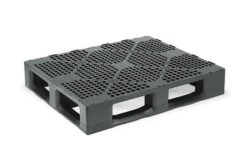
• Exempt from ISPM15 Regulations
Unlike timber pallets, plastic pallets do not require heat treatment or phytosanitary certification, helping simplify international shipping.
• Resistant to Moisture and Pests
Plastic does not absorb moisture or provide a habitat for insects, reducing contamination concerns during global transport.
• Consistent Dimensions
Manufactured to precise specifications, plastic pallets provide reliable stacking, handling and storage throughout the supply chain.
• Built for Repeated Export Use
Their durable construction allows them to withstand multiple export cycles with minimal maintenance.
These advantages help exporters improve efficiency while reducing many of the complications associated with international shipping.
Export Insight
Many businesses first switch to plastic pallets to simplify customs compliance. However, they often continue using them because of the operational benefits they experience, including fewer damaged pallets, more consistent handling and reduced replacement costs over time.
How Do Plastic Pallets Improve International Logistics?
Choosing the right pallet doesn’t just help during customs inspections – it supports every stage of the export journey.
For example, a manufacturer exporting products to multiple European markets may handle the same pallet several times between production, warehousing, road transport and final delivery. A durable plastic pallet helps maintain load stability throughout each stage, reducing the risk of damage and avoiding unnecessary pallet replacements.
• Faster Warehouse Handling
Uniform pallet dimensions improve loading, unloading and storage efficiency.
• Better Load Stability
Strong, consistent construction helps keep products secure throughout transportation.
• Reduced Supply Chain Interruptions
Durable pallets are less likely to fail during repeated handling, reducing unnecessary delays.
• Improved Fleet Efficiency
Reusable plastic pallets help businesses standardise their export operations across multiple shipments.
Reliable pallets help exporters focus on delivering products rather than managing pallet-related problems.
Which Businesses Benefit Most from Plastic Export Pallets?
Plastic export pallets are widely used by businesses that rely on dependable international shipping, including:
- Manufacturers exporting finished goods.
- Food and beverage producers.
- Pharmaceutical companies.
- Automotive suppliers.
- Retail distribution businesses.
- Third-party logistics providers.
- Engineering and industrial manufacturers.
Regardless of the industry, exporters benefit from pallet solutions that improve reliability, simplify compliance and support efficient global distribution.
Common Mistakes Exporters Make When Choosing Pallets
Many businesses focus only on the purchase price of a pallet, overlooking factors that have a much greater impact on export performance.
• Choosing Price Instead of Performance
Lower-cost pallets may require more frequent replacement or increase the risk of shipment disruption.
• Ignoring Destination Requirements
Different export markets may have specific import requirements that should be considered before shipping.
• Using Damaged Pallets
Broken or worn pallets can affect load stability and increase the likelihood of damaged goods.
• Overlooking Long-Term Value
A durable reusable pallet often delivers greater value than repeatedly purchasing lower-cost alternatives.
Expert Tip
If your business exports products regularly, evaluate pallet performance over an entire year rather than a single shipment. Considering replacement frequency, handling efficiency and operational reliability often provides a clearer picture of the true value of your pallet investment.
Why Exporters Choose Beecraft UK
With over 35 years of experience, Beecraft UK has helped manufacturers, exporters and logistics providers improve their international shipping operations with durable plastic pallet solutions. Whether you’re shipping across Europe or exporting worldwide, our team can recommend pallet solutions that support efficient, reliable and compliant global logistics.
• Over 35 Years of Experience
Since 1989, we’ve supplied high-quality plastic pallets to businesses across a wide range of industries, helping them improve material handling, product protection and export efficiency.
• Export Pallets for Every Shipping Requirement
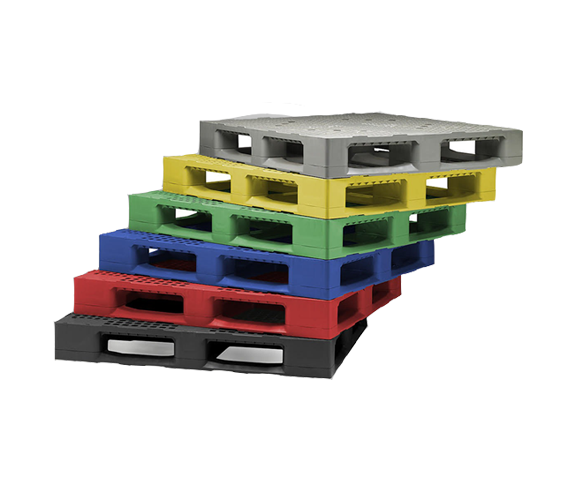
Our range includes export, heavy-duty, hygienic, rackable and nestable plastic pallets designed to meet the demands of international transportation, warehousing and distribution.
• Expert Guidance for Global Shipments
Our experienced team helps businesses choose the right pallet based on load capacity, destination, transport method and operational requirements, ensuring the most suitable solution for every application.
• Designed for Reliable International Performance
Our plastic pallets are built to withstand repeated handling, resist moisture and simplify international shipping by eliminating the need for ISPM15 heat treatment, helping exporters move goods with greater confidence.
Looking for Reliable Export Plastic Pallets?
Whether you’re shipping across Europe or exporting worldwide, Beecraft UK can help you choose plastic pallets designed for reliable international performance. Contact our team today for expert advice and a tailored quotation.
FAQs
Why do exporters choose plastic pallets?
Plastic pallets are durable, reusable, moisture-resistant and exempt from ISPM15 regulations, making them well suited to international shipping.
Are plastic pallets suitable for international freight?
Yes. Plastic pallets are widely used for road, sea and air freight because they provide consistent performance and require no ISPM15 treatment.
Can plastic pallets reduce export costs?
Although they often cost more initially, their durability, lower maintenance requirements and reusability can reduce long-term operating costs.
Are plastic pallets suitable for food exports?
Yes. Hygienic plastic pallets are commonly used by food manufacturers and exporters because they are easy to clean and resist moisture.
Which industries use plastic export pallets?
Plastic export pallets are widely used in manufacturing, pharmaceuticals, food production, automotive, retail and logistics.
How do I choose the right export pallet?
Consider your load capacity, destination, transport method, storage requirements and expected frequency of export shipments before selecting a pallet.
Do plastic pallets reduce the risk of shipment delays?
Plastic pallets help reduce pallet-related delays by eliminating the need for ISPM15 treatment, providing consistent dimensions and offering reliable performance throughout international shipping. While customs clearance depends on many factors, using compliant pallet solutions can simplify export operations.