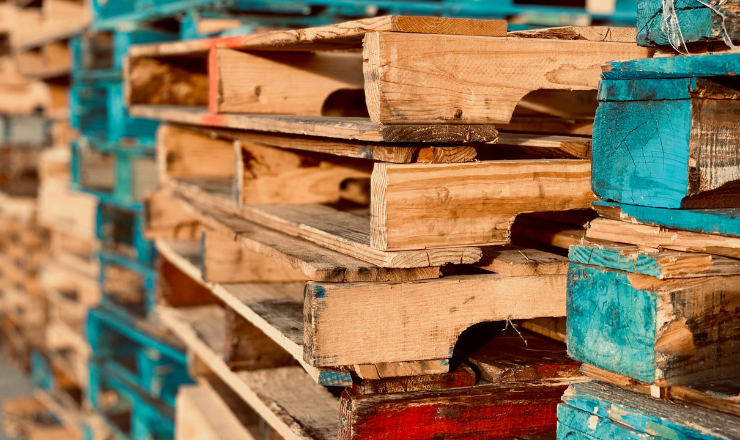
International shipping involves much more than preparing products for transport. Every shipment must meet the import regulations of the destination country, including the pallets used to carry the goods. While many businesses continue to use wooden pallets for export, failing to meet the required standards can result in costly customs delays, additional inspections and unexpected expenses.
For manufacturers, exporters and logistics providers, understanding why wooden Export Pallets fail customs inspections is essential for protecting delivery schedules and maintaining efficient global supply chains.
Why Are Wooden Export Pallets Inspected at Customs?
Wooden pallets are inspected because untreated timber can carry insects, pests and plant diseases that may spread across international borders. To reduce these risks, many countries require wooden packaging materials to comply with ISPM15 regulations before they can enter the country.
During customs inspections, officials may check whether wooden pallets have been properly heat-treated and display the correct ISPM15 mark. If these requirements are not met, the shipment may be held for further inspection or refused entry.
The most common reasons for customs inspections include:
• Missing or Incorrect ISPM15 Marking
One of the most common reasons wooden pallet fails customs inspection is the absence of a valid ISPM15 stamp or the use of incorrect or illegible markings. Customs authorities rely on this mark to confirm that the pallet has been heat-treated in accordance with international phytosanitary regulations. Without clear certification, officials cannot verify compliance, which may result in additional inspections, shipment delays or even refusal of entry.
• Damaged or Altered Pallets
Wooden pallets that have broken boards, missing components or unauthorised repairs can raise concerns during customs inspections. Damage may affect the integrity of the original heat treatment or make it difficult for inspectors to confirm that the pallet still meets export standards. In some cases, heavily damaged pallets may require replacement before the shipment can continue.
• Evidence of Pests or Contamination
Customs authorities carefully inspect wooden pallets for signs of insects, mould, bark residue or other forms of biological contamination. Because untreated or contaminated wood can introduce harmful pests and plant diseases into another country, any signs of infestation may lead to quarantine measures, further inspections or rejection of the shipment.
• Incorrect or Incomplete Export Documentation
Even if the wooden pallets themselves meet ISPM15 requirements, incorrect export documentation can delay customs clearance. Missing paperwork, inaccurate shipment details or inconsistencies between the documentation and the goods being transported may require additional verification, increasing clearance times and creating unnecessary administrative costs.
How Can Export Delays Affect Your Business?
Export delays can have a significant impact on business operations, particularly for manufacturers, distributors and exporters working to strict delivery schedules. When shipments are held at customs due to non-compliant wooden pallets, businesses may face increased storage charges, disrupted supply chains, delayed customer deliveries and additional administrative costs. Over time, these setbacks can reduce operational efficiency, affect customer confidence and place unnecessary pressure on warehouse and logistics teams.
For example, imagine a UK manufacturer exporting products to an overseas customer. During customs inspection, officials discover that the wooden pallets do not display a valid ISPM15 mark. The shipment is held for additional checks, delaying delivery by several days and resulting in extra storage charges, administrative work and an unhappy customer. What should have been a routine shipment quickly becomes an avoidable and costly disruption.
Why Are More Exporters Choosing Plastic Export Pallets?
As international trade becomes more demanding, many exporters are replacing traditional wooden pallets with plastic alternatives that simplify compliance, improve durability and support more reliable global shipping operations.
The most common reasons for choosing plastic pallets include:
No ISPM15 Heat Treatment Required
Plastic pallets are ready for international shipping without additional treatment, helping businesses simplify export preparation and avoid the compliance requirements associated with wooden pallets.
• Consistent Dimensions
Manufactured to precise specifications, plastic pallets provide reliable handling throughout the supply chain, supporting safer stacking, easier storage and more efficient transportation.
• Moisture- and Pest-Resistant
Unlike timber, plastic pallets do not absorb moisture or provide a habitat for insects, reducing the risk of contamination and making them well suited to international shipping.
• Built for Repeated Export Use
Their durable construction allows them to withstand repeated handling during loading, unloading and transportation, making them a practical solution for businesses that export regularly.
• Reduced Risk of Customs Delays
Because plastic pallets are exempt from ISPM15 regulations, businesses can eliminate one of the most common compliance concerns associated with wooden pallets. This helps reduce the likelihood of shipment delays caused by pallet-related inspections.
• Better Long-Term Value
Although the initial investment may be higher than some wooden pallets, their longer service life, lower maintenance requirements and reusability can help reduce replacement costs over time, particularly for businesses with frequent export shipments.
By investing in the right export pallet, businesses can reduce compliance concerns, protect delivery schedules and move goods across international borders with greater confidence.
Why Businesses Across the UK Trust Beecraft
With over 35 years of experience, Beecraft UK has helped manufacturers, exporters and logistics businesses improve their international shipping operations with reliable plastic pallet solutions.
• Over 35 Years of Experience
Since 1989, we’ve supplied plastic pallets to manufacturers, exporters, distribution centres and logistics providers across a wide range of industries.
• Export-Ready Pallet Solutions
Our range includes export, heavy-duty, hygienic, rackable and nestable plastic pallets designed to meet the demands of domestic and international supply chains.
• Expert Guidance for International Shipping
Whether you’re shipping across Europe or exporting globally, our team can help you choose the right pallet based on your load requirements, destination and operational needs.
• Built for Reliable Export Performance
Our plastic export pallets are durable, reusable and exempt from ISPM15 regulations, helping businesses simplify international shipping while reducing maintenance and replacement costs.
Looking to Simplify Your Export Operations?
Whether you’re replacing wooden export pallets, shipping products internationally or looking to improve export efficiency, Beecraft UK can help you find the right plastic pallet for your business. Contact our team today for expert advice and a tailored quotation.
FAQs
Why do wooden pallets need ISPM15 treatment?
ISPM15 treatment helps prevent the international spread of pests and diseases that can be carried in untreated wood packaging materials.
What is the ISPM15 stamp on a wooden pallet?
The ISPM15 stamp confirms that the wooden pallet has been heat-treated and meets international phytosanitary requirements for export.
Can customs reject shipments because of wooden pallets?
Yes. If wooden pallets do not comply with import regulations or lack the correct ISPM15 marking, customs authorities may delay, inspect or reject the shipment.
Are plastic pallets exempt from ISPM15?
Yes. Plastic pallets are not made from timber, so they do not require heat treatment or ISPM15 certification for international shipping.
Why do exporters choose plastic pallets?
Many exporters choose plastic pallets because they are durable, reusable, moisture-resistant and simplify international shipping by removing ISPM15 compliance requirements.
Which industries commonly use export plastic pallets?
Export plastic pallets are widely used in manufacturing, food and beverage, pharmaceuticals, automotive, retail and logistics businesses that ship products internationally.
Related reading
- why exporters prefer plastic pallets — the case from the exporter side.
- heavy duty plastic pallets — racked ratings, not headline load figures.
- plastic pallets UK — the full range by duty class.
- plastic pallet prices UK — specification and quantity decide the price.