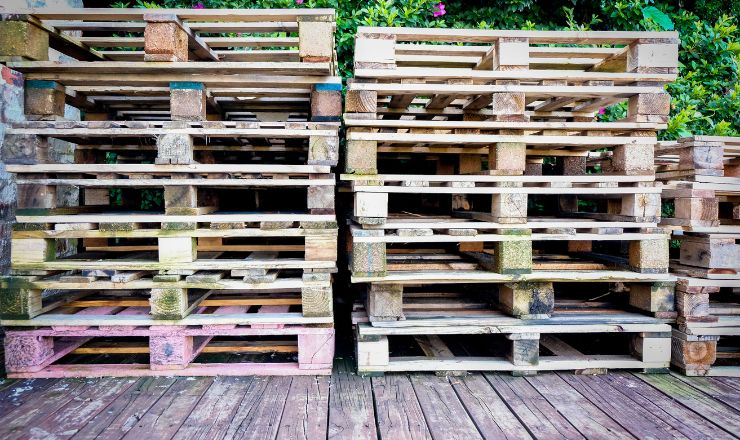
A broken pallet may seem like a minor issue, especially in a busy warehouse where hundreds or even thousands of pallets are handled every day. In many businesses, damaged pallets are simply repaired, replaced, or set aside without much thought. However, the real cost of a broken pallet extends far beyond the price of replacing it.
From disrupted warehouse operations and damaged products to increased labour costs and workplace safety risks, a single damaged pallet can have a wider impact on productivity than many businesses realise. Understanding these hidden costs can help warehouse managers make better decisions about pallet management and long-term material handling investments.
What Happens After a Pallet Breaks in Your Warehouse?
Imagine a warehouse preparing a large customer order for dispatch. A pallet fails while being moved to the loading bay, requiring the load to be restacked before it can be shipped. What seemed like a minor issue now delays dispatch, ties up warehouse staff and increases labour costs.
The true cost of a broken pallet becomes clear when you look at the wider impact it has on warehouse operations. Let’s explore the areas where businesses often experience the greatest losses.
• Warehouse Operations Are Interrupted
A damaged pallet often means unloading products, replacing the pallet and reorganising stock before work can continue. These unexpected interruptions slow down routine warehouse activities and reduce overall efficiency.
• Products Are Put at Risk
A broken pallet can compromise the stability of the load it carries. This increases the risk of damaged goods, crushed packaging and product losses during storage or transportation, particularly when handling high-value inventory.
• Labour Costs Increase
Warehouse staff spend valuable time removing damaged pallets, restacking loads and sourcing replacements. These additional tasks reduce the time available for more productive work and can increase labour costs over the long term.
• Deliveries Can Be Delayed
If a pallet fails during picking, packing or dispatch, shipments may need to be repacked before leaving the warehouse. This can delay deliveries, disrupt schedules and potentially affect customer satisfaction.
Understanding what happens after a pallet breaks helps businesses look beyond the replacement cost and recognise the wider impact damaged pallets can have on warehouse performance.
Why Are More Warehouse Managers Investing in Plastic Pallets?
Many warehouse managers are replacing traditional wooden pallets with plastic alternatives to improve efficiency, reduce maintenance and lower long-term operating costs.
• Fewer Replacements and Repairs
Plastic pallets are designed to withstand repeated handling, heavy loads and demanding warehouse environments. Their durable construction helps reduce breakages, lowering the need for frequent repairs and replacements.
• Improved Operational Efficiency
Reliable pallets help keep warehouse operations running smoothly by reducing interruptions caused by damaged equipment. This allows warehouse teams to focus on productivity rather than managing pallet-related issues.
• Better Product Protection
A stable and durable pallet provides better support for goods during storage and transportation, helping reduce the risk of damaged products and unnecessary waste.
• Long-Term Cost Savings
Although plastic pallets often have a higher upfront cost, their longer service life and lower maintenance requirements can provide better value over time, making them a cost-effective investment for many businesses.
As more organisations focus on improving warehouse performance and reducing operating costs, plastic pallets continue to become the preferred choice for modern material handling operations.
How Can You Reduce Pallet-Related Costs?
Reducing pallet costs isn’t just about buying cheaper pallets. It’s about choosing the right pallet for your operation, maintaining it properly and minimising unnecessary damage. By reviewing how pallets are handled and used throughout your warehouse, businesses can significantly reduce replacement costs and improve overall operational efficiency.
• Choose the Right Pallet for the Job
Selecting a pallet that matches your load capacity, storage method and handling requirements helps prevent unnecessary wear and extends its working life.
• Carry Out Regular Inspections
Inspecting pallets for cracks, broken boards or other signs of damage allows problems to be identified early, reducing the risk of product damage and workplace incidents.
• Train Staff in Correct Handling
Forklift impacts and poor handling are common causes of pallet damage. Providing staff with proper handling guidance can help reduce avoidable breakages.
• Invest in Durable Pallet Solutions
While cheaper pallets may seem cost-effective initially, investing in durable plastic pallets can reduce maintenance, minimise replacements and lower long-term operating costs.
Taking a proactive approach to pallet management can help businesses improve warehouse productivity, protect valuable goods and achieve better long-term value from their material handling equipment.
Why Businesses Across the UK Trust Beecraft
With over 35 years of experience, Beecraft UK has helped businesses across the UK improve their warehousing and material handling operations with reliable plastic pallet solutions.
• Over 35 Years of Experience
Since 1989, we’ve supplied plastic pallets to manufacturers, warehouses, logistics companies and distributors across a wide range of industries.
• Solutions for Every Application
Our range includes heavy-duty, hygienic, rackable, nestable and export plastic pallets designed to meet different operational requirements.
• Expert Product Guidance
We help you choose the right pallet based on your load capacity, storage methods and industry needs, ensuring the best solution for your business.
• Built for Long-Term Performance
Our plastic pallets are designed to improve efficiency, reduce maintenance and deliver reliable performance in demanding warehouse environments.
Looking to Reduce Warehouse Costs?
Whether you’re replacing damaged wooden pallets, upgrading your warehouse or looking to reduce long-term operating costs, Beecraft UK can help you identify the right plastic pallet for your application. Contact our team for expert advice and a tailored quotation.
Frequently Asked Questions
What causes pallets to break?
Pallets commonly become damaged through overloading, repeated forklift impacts, poor handling, exposure to moisture or general wear from frequent use.
How can broken pallets affect warehouse operations?
Damaged pallets can slow material handling, increase product damage, create safety risks and lead to additional labour costs through repairs and replacements.
How often should warehouse pallets be inspected?
Pallets should be inspected regularly as part of routine warehouse operations. Any pallet showing structural damage should be removed from service to reduce safety and operational risks.
What type of pallet lasts the longest?
High-quality plastic pallets generally offer a longer service life than traditional wooden pallets because they resist moisture, splintering and everyday wear.
How can businesses reduce pallet replacement costs?
Choosing the right pallet for the application, training staff in correct handling techniques and investing in durable pallet solutions can help reduce long-term replacement and maintenance costs.
Why is pallet quality important for warehouse efficiency?
Reliable pallets support safer handling, reduce downtime, improve load stability and help maintain efficient warehouse operations throughout the supply chain.
How can businesses prevent pallet damage?
Regular inspections, correct load distribution, proper forklift handling and using pallets designed for the intended application can all help reduce pallet damage and extend service life.
Related reading
- pallet pooling vs buying outright — the cost comparison.
- plastic pallet prices UK — specification and quantity decide the price.
- heavy duty plastic pallets — racked ratings, not headline load figures.
- buying plastic pallets from Beecraft — supplying the UK since 1988.